What is a U.S. Visa?
A citizen of a foreign country who seeks to enter the United States generally must first obtain a U.S. visa, which is placed in the traveler’s passport, a travel document issued by the traveler’s country of citizenship.
Certain international travelers may be eligible to travel to the United States without a visa if they meet the requirements for visa-free travel. The Visa section of this website is all about U.S. visas for foreign citizens to travel to the United States.
What Types of Visas Are There?
The type of visa you must obtain is defined by U.S. immigration law, and relates to the purpose of your travel. There are two main categories of U.S. visas:
- Nonimmigrant visas – For travel to the United States on a temporary basis. Learn more.
- Immigrant visas – For travel to live permanently in the United States.
U.S. Immigration and Visa Policy
U.S. immigration laws enacted by Congress provide authority over immigration matters, including entry and exit of all travelers across the nation’s borders, determining who may enter, how long they may stay, and when they must leave. The Immigration and Naturalization Act (INA) in Title 8 of the United States Code, provides the foundation for immigration law, along with its amendments. Additionally, more recent immigration laws have an impact on visa processing, including, as examples, the USA Patriot Act of 2001 and the Enhanced Border Security and Visa Reform Act of 2002.
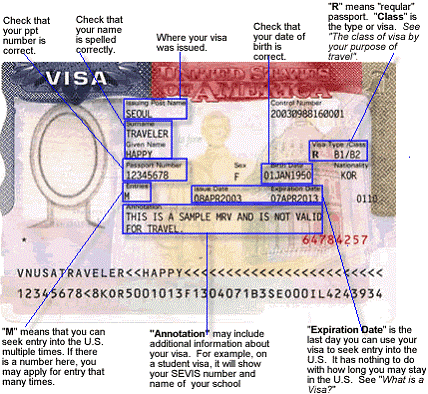
Reading and Understanding a Visa
Once you have been issues a visa it is important to understand how to read it. Below please find the chart that will help you with that:
Open ChartReading and Understanding a Visa